
Stay or Sell as You Age: Why This Decision Matters More Than You Think

At some point, many homeowners start asking the same question:
Should I stay here long-term… or would it make more sense to move?
It doesn’t always come from urgency. Sometimes it’s subtle — stairs feeling a little harder, upkeep taking more effort, or simply thinking ahead.
And for most people, the instinct is clear: they want to stay.
Stay or Sell as You Age: Why Most People Prefer Staying
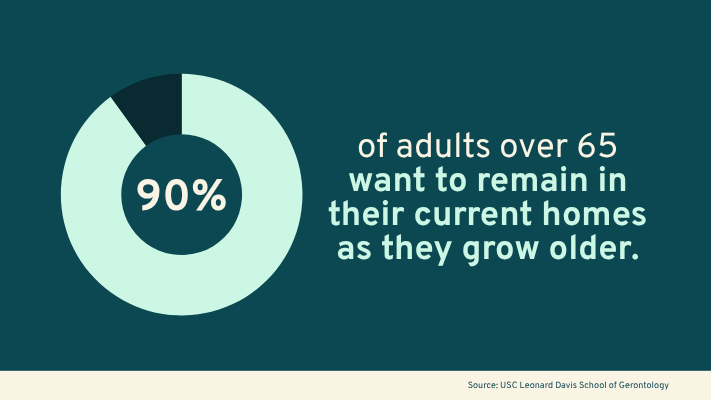
About 90% of adults over 65 say they want to remain in their current homes as they grow older.
That makes sense. Your home is familiar. It holds memories. It’s comfortable.
But deciding to stay or sell as you age isn’t just about preference — it’s about planning.
Stay or Sell as You Age: The Real Cost of Staying Put
If you choose to stay, your home may need to evolve with you.
Here’s a general breakdown of what those updates can look like:
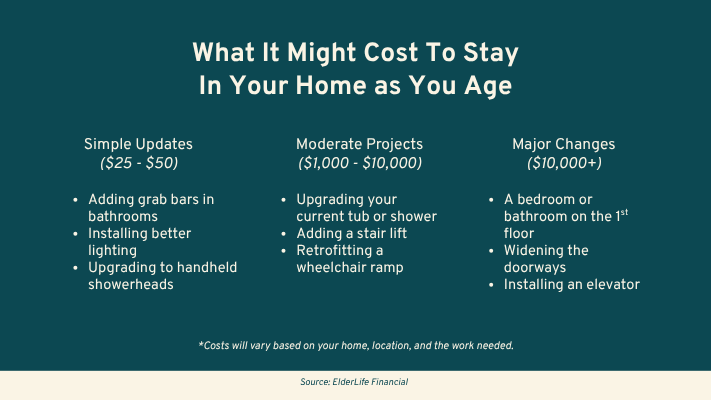
These costs aren’t meant to scare you — they’re meant to prepare you.
Because when you’re thinking about stay or sell as you age, the real question becomes:
Does your home still work for your future… or will it need to change?
Stay or Sell as You Age: When Staying Makes Sense
Staying can be a great option if:
You love your home and location
You’re comfortable investing in updates
The layout can be modified to fit your needs
You want to maintain independence
Planning ahead gives you flexibility. You can spread out upgrades over time instead of rushing decisions later.
And with the right guidance, you can focus on updates that actually make sense — both for your lifestyle and your home’s value.
Stay or Sell as You Age: When Moving May Be the Better Choice
Sometimes, staying isn’t the easiest or smartest path.
That shift usually happens when your home starts working against you instead of for you.
Common signs include:
Maintenance or yardwork becoming overwhelming
Stairs or layout becoming difficult to manage
Being far from family or support systems
Not wanting to deal with renovations
And sometimes, it’s not about necessity — it’s about lifestyle.
You may simply want:
Less space to maintain
A more accessible layout
A community designed for your stage of life
Closer proximity to loved ones
In those cases, choosing to stay or sell as you age becomes less about letting go — and more about making life easier.
Stay or Sell as You Age: Lifestyle vs. Long-Term Costs
This decision isn’t just emotional — it’s financial too.
Staying means:
Investing in modifications
Ongoing maintenance costs
Potentially higher long-term expenses
Moving may mean:
Selling and unlocking equity
Lower maintenance living
A home better suited for the future
Neither option is automatically better.
The right choice depends on your goals, your finances, and how you want your day-to-day life to feel.
Stay or Sell as You Age: Why Planning Early Gives You the Advantage
The biggest mistake people make?
Waiting too long to think about it.
When you plan early, you gain:
More options
More time to prepare financially
Less stress when decisions need to be made
Better outcomes overall
Thinking about stay or sell as you age now doesn’t mean you have to act today.
It just means you’re putting yourself in control.
Bottom Line
Deciding whether to stay or sell as you age isn’t about choosing today — it’s about preparing for tomorrow.
Some homeowners stay and adapt their space. Others move and simplify their lifestyle.
Both are valid.
The key is understanding your options early, so when the time comes, you’re making a confident decision — not a rushed one.
If you want help evaluating what makes the most sense for your situation, having a quick conversation with a local real estate expert can give you clarity on both your home and your future.